
0
0,00 €
0 items


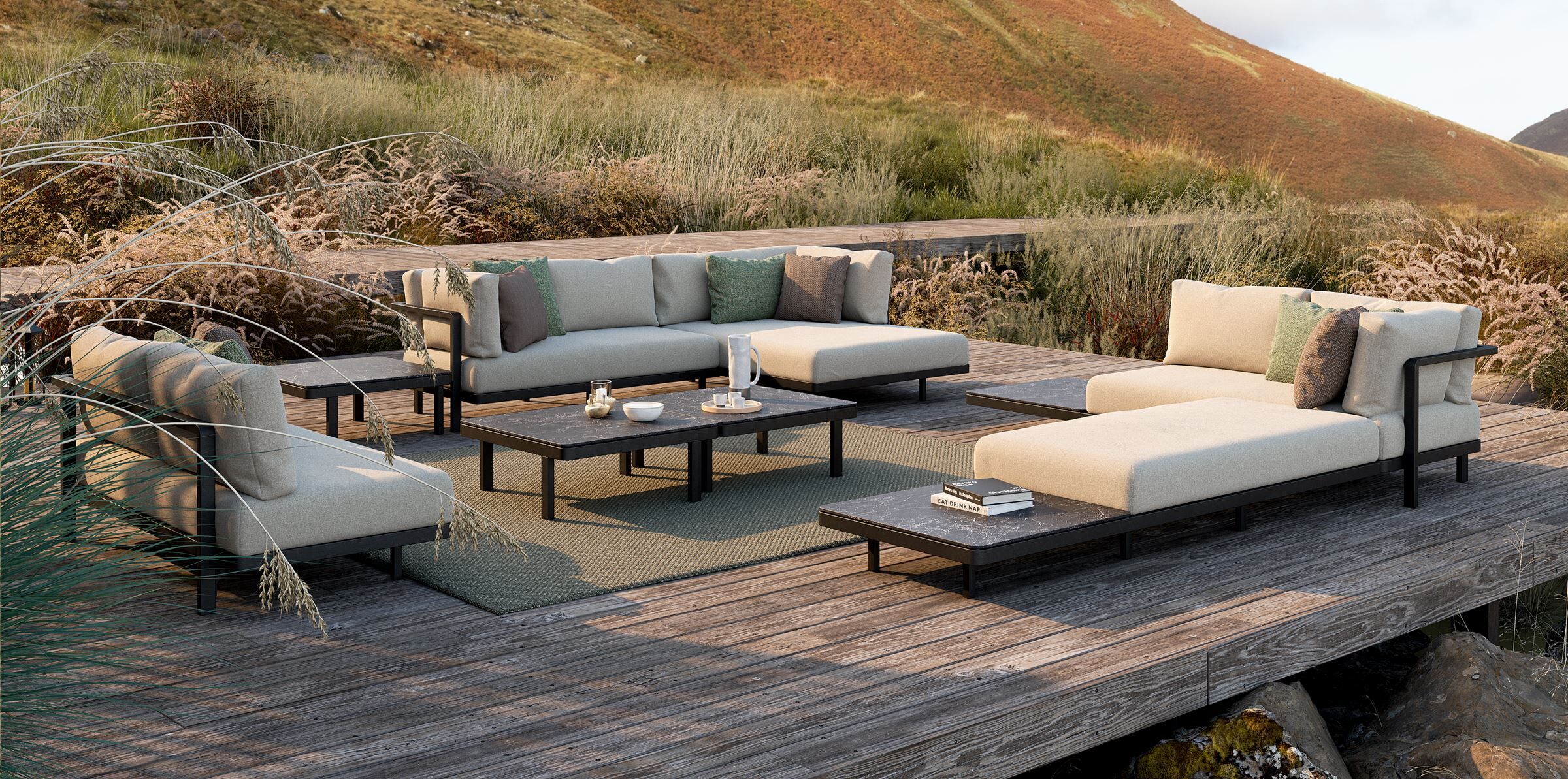
The outdoor space is increasingly evolving into a true extension of the living environment—clearly structured, meticulously designed, and precisely tailored to individual needs. Refined materials, functional surfaces, and deliberately chosen contrasts create an atmosphere that is both aesthetically pleasing and perfectly suited to everyday life. Contemporary gardens unite design and comfort to create timeless outdoor landscapes.
In 2026, the garden is conceived decisively as a living space, with clearly defined functional zones replacing the traditional division between terrace and lawn. Dedicated lounge areas for relaxation, generous dining spaces for social gatherings, and cooking areas or fire features come together in a harmonious overall concept, allowing the outdoors to feel like a natural continuation of the home. Pergolas, covered structures, and carefully developed lighting concepts extend usability and create a welcoming ambiance—even in the evening and during transitional seasons.
Monotonous surfaces give way to a more differentiated design approach. Targeted color contrasts add structure, depth, and contemporary elegance to the outdoor environment. Combinations of light and dark tones are particularly sought after to define surfaces and highlight architectural accents. Red establishes itself as a new statement color, spanning a palette from deep berry hues to warm, understated terracotta shades.
A close connection to nature remains a central design element. Surfaces appear calm, refined, and inviting, without ever tipping into rustic. Natural materials, warm color palettes, and clean lines create outdoor spaces that are both welcoming and distinctly contemporary.
Wood has long been one of the defining materials in outdoor design. Soft cushions in beige, greige, and cream tones highlight the natural grain of the wood, enhancing classic designs with contemporary comfort and a modern lounge character.
In contrast to outdoor architecture often defined by strictly linear forms, organic shapes are gaining importance. Gentle curves and fluid transitions bring balance and serenity, lending the outdoor space a natural sense of harmony. This approach is reflected not only in furniture with oval silhouettes or flowing lounge compositions, but also in the design of pathways, planting beds, and lawns.
Sustainability is far more than a trend, it is a conscious choice. Investing in high-quality furniture for gardens, terraces, and balconies reflects a long-term perspective. Materials such as sustainably sourced or recycled teak, finely crafted aluminum frames, or premium synthetic weaves stand out for their durability and aesthetic appeal. They form the ideal foundation for creating elegant accents with textiles and accessories in current color palettes.